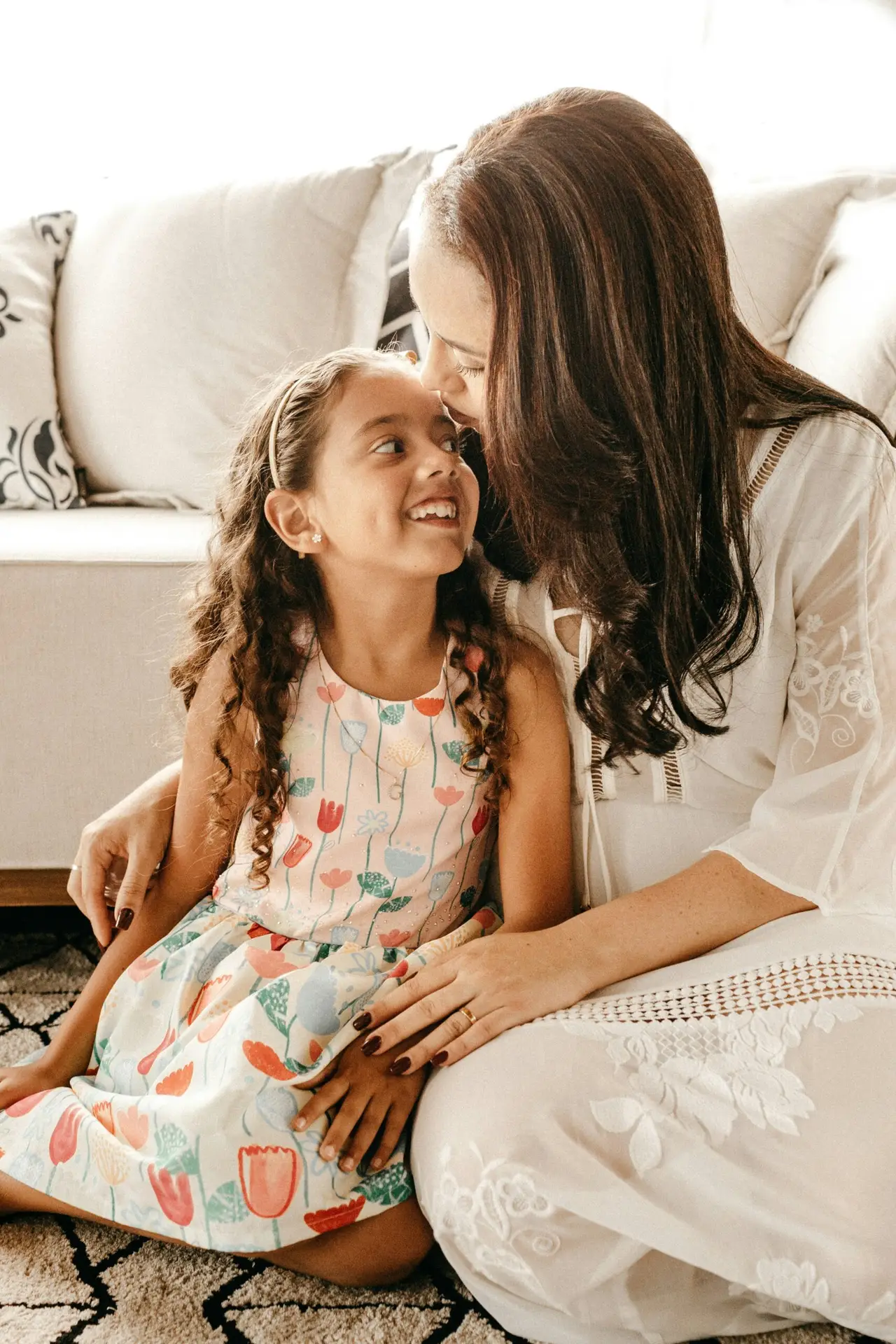
Parenting emotionally sensitive children can feel both beautiful and overwhelming. Many parents notice that their child reacts strongly to disappointment, frustration, or change, even when the situation may seem “small” to adults. A child may say things like, “Everything was terrible today,” after one difficult moment, or become intensely upset when hearing “no.”
For multicultural and multilingual children, emotions can sometimes feel even bigger. Living between languages, cultures, expectations, and social environments requires constant emotional and cognitive processing. Many of these children are deeply observant, empathetic, intelligent, and perceptive — but they may also need additional emotional tools and support.
At Kiingle, we believe emotional regulation is not about teaching children to “stop feeling.” It is about helping them understand emotions, tolerate frustration, express themselves safely, and develop resilience over time.
Why Sensitive Children Experience Emotions So Intensely
Children do not yet have fully developed emotional regulation systems. The part of the brain responsible for impulse control, emotional perspective, and self-regulation, the prefrontal cortex, continues developing well into adulthood.
This means that children first need co-regulation from calm, supportive adults before they can fully learn self-regulation.
When a child says:
- “Everything went wrong.”
- “This was the worst day ever.”
- “Nothing good happened.”
they are often not making a logical evaluation of the day. Instead, they are expressing overwhelm, disappointment, exhaustion, frustration, or emotional flooding.
Psychologists sometimes refer to this as all-or-nothing thinking or global thinking, where one difficult experience emotionally colors the entire day.
Sensitive children may experience this more strongly if they are:
- highly empathetic,
- perfectionistic,
- emotionally intense,
- easily overstimulated,
- or constantly adapting between multiple cultures or languages.
Why “Everything Was Bad” Is Often Emotional Thinking
One important parenting goal is not to force positivity.
Statements like:
- “You’re exaggerating.”
- “But the day was good.”
- “Stop crying.”
- “You should be grateful.”
may unintentionally communicate:
“Your feelings are wrong.”
Instead, children benefit when adults acknowledge emotions first and guide reflection afterward.
For example:
“I understand you felt disappointed because you could not watch TV.”
Then later:
“Do you think the whole day was difficult, or were there also some good moments?”
This helps children gradually build emotional flexibility and perspective.
Teaching Children Healthier Thought Patterns
Validate Before Correcting
Validation does not mean agreeing with every behavior. It means helping children feel emotionally understood.
Children calm down faster when they feel emotionally safe.
Helpful phrases include:
- “You are really frustrated.”
- “That felt unfair to you.”
- “I can see this upset you.”
- “Your body feels very overwhelmed right now.”
Research from the American Psychological Association highlights that emotional validation and responsive parenting support healthier emotional development in children. American Psychological Association
Teaching Flexible Thinking
Emotionally sensitive children often think in extremes:
- good or bad,
- success or failure,
- happy or terrible.
Parents can gently introduce nuance:
✅ “Yes, not watching TV felt disappointing… and you also had fun playing outside.”
✅ “A difficult moment does not mean the whole day was bad.”
Over time, this teaches children that multiple emotions can exist at once.
Helping Children Look for Evidence
A helpful strategy is calmly encouraging children to reflect:
- “What was the hardest part of your day?”
- “Was there also a fun moment?”
- “What made you smile today?”
- “What helped you feel better?”
This practice strengthens emotional awareness and cognitive flexibility.
Emotional Regulation During Meltdowns
During emotional explosions, children are usually not capable of logical reasoning. Their nervous system is overwhelmed.
Long lectures, punishments, or intense reasoning often do not work in these moments.
What helps most is:
- calm tone of voice,
- short phrases,
- emotional safety,
- clear boundaries,
- and adult regulation.
For example:
“I will not let you hit.”
“I am here with you.”
“Your body feels very angry right now.”
“Let’s breathe together.”
It is important to separate the emotion from the behavior:
- emotions are valid,
- aggressive behavior is not.
A child can feel intense anger without hurting others.
Teaching Emotional Skills in Everyday Life
Naming Emotions
Many children say they are “angry” when they may actually feel:
- embarrassed,
- disappointed,
- jealous,
- tired,
- overstimulated,
- lonely,
- anxious,
- or sad.
Helping children expand emotional vocabulary improves emotional regulation significantly.
The Center on the Developing Child at Harvard University explains that emotional skills are built gradually through repeated supportive interactions with adults. Harvard Center on the Developing Child
Emotion wheels, drawings, colors, books, and visual charts can all help children identify feelings more accurately.
Creating a Calm-Down Plan
The best time to create calming strategies is not during a meltdown, but during calm moments.
Parents can ask:
“What helps your body feel better when you are upset?”
Different children respond to different calming tools:
- deep breathing,
- drawing,
- hugs,
- music,
- jumping,
- squeezing a pillow,
- quiet corners,
- stuffed animals,
- drinking water,
- or movement.
The goal is not to eliminate emotions, but to teach children what to do with big feelings.
Building Frustration Tolerance
Children also need safe opportunities to experience:
- waiting,
- boredom,
- losing,
- hearing “no,”
- and tolerating disappointment.
When adults support children through these moments calmly and consistently, children gradually learn:
“I can handle difficult feelings and still be okay.”
This process helps build resilience.
The Unique Emotional Experience of Multicultural and Multilingual Children
Children growing up between cultures often process enormous amounts of information every day.
They may experience:
- different social expectations,
- multiple languages,
- identity questions,
- cultural transitions,
- emotional expression differences,
- or pressure to adapt in different environments.
Some multicultural children may struggle to express emotions equally across all languages they speak.
At the same time, these children are often deeply empathetic, socially aware, adaptable, and emotionally intelligent.
Their sensitivity is not necessarily a problem to “fix.” It simply means they may benefit from stronger emotional support tools.
When Parents Should Seek Professional Support
It can be helpful to consult a child psychologist if a child experiences:
- extremely intense meltdowns,
- frequent aggression,
- persistent anxiety,
- ongoing sadness,
- major school difficulties,
- severe emotional sensitivity,
- or significant social struggles.
Early support can provide families with practical strategies and reassurance.
In Switzerland, families can also speak with pediatricians, school support teams, or child psychologists for guidance.
Final Thoughts
Emotionally intense children do not need perfect parents. They need calm, safe, and emotionally available adults who help them navigate difficult feelings with consistency and compassion.
At Kiingle, we believe emotional development is one of the most important foundations for healthy childhood growth. Sensitive children often grow into deeply empathetic, thoughtful, and emotionally intelligent adults when they are supported with patience, boundaries, and understanding.
A difficult moment does not define a child, and one difficult day does not define childhood.
